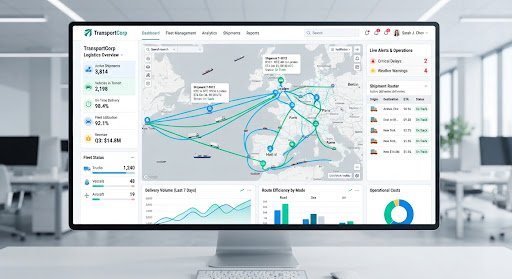
Route optimization is where employee experience and cost control meet. Smarter paths raise seat utilization, shrink empty kilometers, and protect shift start times—without asking employees to accept longer or less predictable rides.
Modern ETS routing combines roster data, geo-fenced pick-up points, and live traffic signals. When employee lists sync cleanly with trip plans, planners spend less time on manual reshuffles and more time on exception management.
Live ETAs close the loop for facilities teams and passengers. Visibility into delays, vehicle location, and boarding status reduces “where is my cab?” noise and supports faster command-center intervention when something goes wrong.
Cost reduction follows utilization. Fewer overlapping routes, better vehicle mix (sedan vs shuttle), and dynamic reallocation during peak windows lower cost per trip while keeping safety and compliance intact.
The practical takeaway: technology only pays off when it is embedded in daily ops—MIS, ground supervisors, and drivers working from the same plan. That operational discipline is what turns routing software into measurable commute-time and cost wins.